Dubai Property Market Analysis and Trends
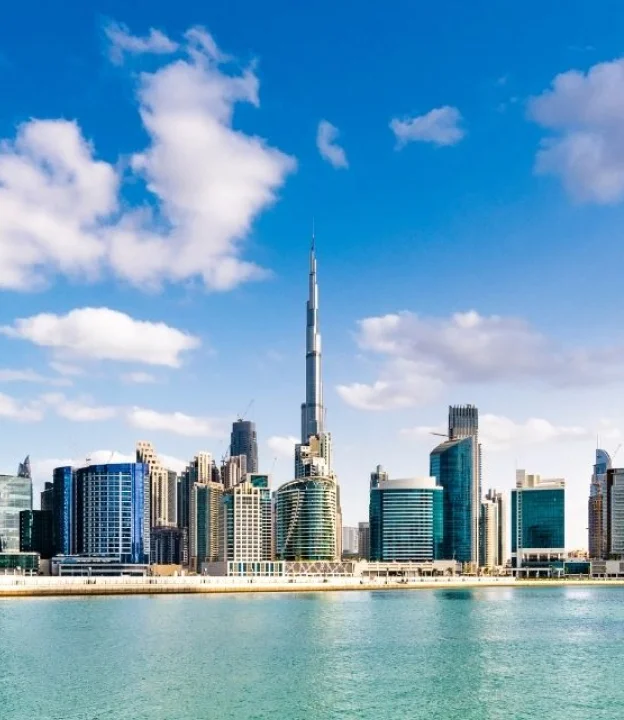
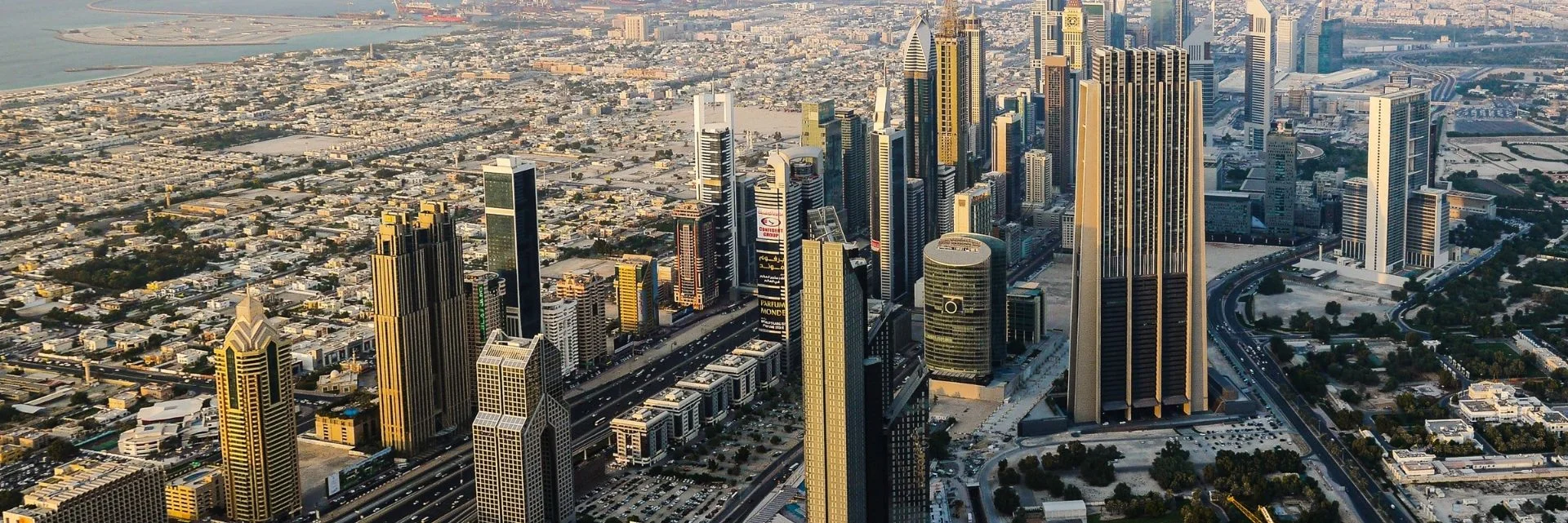
Dubai’s real estate sector has entered a new phase, one defined not just by rapid growth, but by increasing maturity, global relevance, and long-term investment appeal. This Dubai Property Market Analysis explores the key drivers, performance trends, and forward-looking insights shaping the market in 2026 and beyond.
Overview of the Dubai Property Market
Over the past few years, Dubai’s property market has delivered record-breaking performance. In 2025 alone, transaction values surged to historic highs, with hundreds of thousands of deals completed and total activity reaching unprecedented levels.
This growth has been driven by a combination of factors:
- Strong international investor demand
- Population growth and inbound migration
- Pro-business policies and long-term residency initiatives
- High rental yields compared to global cities
Dubai has firmly established itself as a global real estate investment hub, attracting both end-users and investors seeking stability, returns, and lifestyle.
However, as we move into 2026, the market is transitioning from rapid expansion into a more balanced and sustainable growth phase.
Market Performance: Growth with Signs of Stabilisation
The Dubai property market remains fundamentally strong, but its pace is evolving.
Residential prices increased significantly over recent years, with some segments rising over 60% since 2021.
At the same time, year-on-year price growth of around 12–15% was still recorded heading into 2026.
Yet, analysts now expect:
- Moderate price growth rather than sharp increases
- Greater variation in performance by location and property type
- Increased importance of quality and long-term value
This shift reflects a maturing market where fundamentals—rather than speculation—are driving performance.
Demand Drivers: Why Dubai Continues to Attract Investors
1. Population Growth and Migration
Dubai’s population continues to expand, now exceeding 4 million residents, with tens of thousands of new residents arriving each year.
This sustained population growth fuels demand across both:
- Rental markets
- Ownership segments
It also supports long-term absorption of new supply, helping maintain market stability.
2. Global Investor Appeal
Dubai’s appeal as a global investment destination remains a key pillar of demand.
Key advantages include:
- Tax-free income environment
- High rental yields (often 6–9%)
- Currency stability (AED pegged to USD)
- Transparent and regulated property market
Foreign investors continue to play a dominant role, supported by policies such as long-term residency visas linked to property ownership.
3. Shift Toward End-Users
One of the most important structural changes in recent years is the rise of end-user demand.
Unlike previous cycles driven heavily by speculation, today’s market is increasingly supported by:
- Long-term residents choosing to buy rather than rent
- Families seeking stability and space
- Professionals relocating permanently to Dubai
This shift strengthens the market’s foundations and reduces volatility.
Off-Plan vs Ready Market: A Defining Trend
A key highlight in this Dubai Property Market Analysis is the dominance of the off-plan segment.
Off-plan transactions have accounted for a significant share of total sales, reaching over 70% of residential transactions in recent periods.
Why Off-Plan is Driving the Market
- Lower entry prices compared to ready properties
- Flexible payment plans
- Potential for capital appreciation during construction
- Access to new, master-planned communities
For developers, this trend enables continuous pipeline growth.
For investors, it offers a structured way to enter the market with lower upfront capital.
At the same time, the ready market remains attractive for:
- Immediate rental income
- Stable yields (typically 5–7% for villas and townhouses)
The result is a dual-market dynamic, where both segments serve different investor strategies.
Property Type Trends: Villas vs Apartments
Demand patterns across property types continue to evolve.
Villas and Townhouses
Villas and townhouses have consistently outperformed apartments in terms of price growth and demand.
Key reasons include:
- Preference for space and privacy
- Increased remote and hybrid working
- Limited supply in established communities
Villa prices have seen stronger appreciation, reflecting a structural shift in buyer preferences.
Apartments
Apartments remain a core part of the market, particularly for:
- First-time buyers
- Investors seeking affordability
- Urban, well-connected locations
While growth is more moderate compared to villas, apartments continue to benefit from strong rental demand.
Rental Market Dynamics
Dubai’s rental market has experienced significant increases over the past two years, with double-digit growth in many areas.
However, heading into 2026:
- Rental growth is expected to stabilise
- New supply may create more balanced conditions
- Tenants may gain slightly more negotiating power
Despite this, rental demand remains strong due to ongoing population growth and limited immediate supply in key segments.
Supply and Development Pipeline
A major factor shaping the market in 2026 is new supply.
Developers launched over 150,000 new units in 2025 alone, with further completions expected in the coming years.
Implications of Increasing Supply
- Greater choice for buyers
- Potential price stabilisation in certain areas
- Increased competition among developers
However, supply is not evenly distributed. Prime and well-located developments are expected to:
- Maintain stronger demand
- Show greater price resilience
This reinforces the importance of location, quality, and developer credibility in investment decisions.
- Investment Yields and Returns
- Dubai continues to stand out globally for its attractive rental yields.
Typical returns include:
- 5–7% for villas and townhouses
- 6–9% across broader residential segments
Compared to cities like London, New York, or Hong Kong, these yields are significantly higher, making Dubai particularly appealing to income-focused investors.
In addition, capital appreciation remains a key component of returns, especially in emerging or developing areas.
Market Risks and Considerations
While the overall outlook remains positive, a balanced Dubai Property Market Analysis must also consider potential risks.
1. Supply Pressure
The increasing number of new units entering the market may lead to:
- Slower price growth
- Increased competition
- Localised oversupply in certain areas
2. Global Economic Factors
Dubai’s real estate market is closely linked to global conditions.
Geopolitical tensions and economic uncertainty can influence:
- Investor sentiment
- Transaction volumes
- Short-term pricing trends
However, Dubai has historically demonstrated strong resilience during periods of global volatility.
3. Market Maturity
- As the market matures:
- Rapid price spikes become less likely
- Returns become more dependent on asset selection
- Long-term strategy becomes more important than short-term timing
This is a positive shift, aligning Dubai with other established global property markets.
Key Trends Shaping the Future
Several major trends are expected to define the Dubai property market over the coming years.
1. Sustainable and Amenity-Based Communities
Buyers are increasingly prioritising:
- Green spaces
- Walkability
- Integrated amenities
Developments that offer a complete lifestyle experience are outperforming traditional standalone projects.
2. Technology and Smart Living
Smart home features, digital infrastructure, and PropTech integration are becoming standard expectations, particularly in new developments.
3. Long-Term Residency and Investment Alignment
Visa programs linked to property ownership continue to strengthen Dubai’s appeal, encouraging long-term investment and residency.
4. Shift from Speculation to Strategy
The market is moving toward:
- Data-driven investment decisions
- Focus on fundamentals (location, developer, quality)
- Long-term holding strategies
This reflects a more sophisticated investor base.
Outlook for 2026 and Beyond
The outlook for Dubai’s property market remains positive, with continued growth expected, albeit at a more measured pace.
Key expectations include:
- Stable demand supported by population growth
- Moderate price increases rather than rapid surges
- Strong performance in prime and well-located developments
- Continued dominance of off-plan in transaction volumes
Importantly, Dubai is entering a phase of sustainable expansion, where long-term fundamentals outweigh short-term fluctuations.
This Dubai Property Market Analysis highlights a market that has evolved significantly in recent years.
From record-breaking growth to increasing maturity, Dubai’s real estate sector is now characterised by:
- Strong fundamentals
- Diverse investor demand
- Global competitiveness
- Long-term resilience
While short-term fluctuations and external factors may influence performance, the underlying drivers including population growth, economic diversification, and global appeal remain firmly in place.
For investors and end-users alike, the opportunity in Dubai is no longer just about timing the market.
It is about selecting the right property, in the right location, with the right long-term perspective. Contact Acube Developments today to discuss how you can enter Dubai’s market in 2026.